Karin Cioffi, executive director of the Vermont Specialty Food Association, helps her business-owner members connect to resources that help their companies grow and thrive in a food industry that is increasingly consolidating.
She joined the NETI fellowship program to learn about how to support small business owners in VSFA’s network who are looking for alternative options to the typical exit strategy: grow, grow and sell out.
“Within VSFA, we see business owners who care deeply about their business, product and community,” Ms. Cioffi said. “Providing more knowledge and resources around employee ownership would help them see that it is a viable option that can ensure the legacy of the business they have built. Many specialty food and beverage producers think that starting, growing, and having their business acquired by a large company is not only the desired path, but the one that is most available.
Showing them that there are other viable options like employee ownership would ensure that the businesses don’t dissolve when they are unable to find a business to purchase them. Employee ownership would also ensure that the business remains in Vermont and is run by people within our communities, thus helping the state’s economy.”
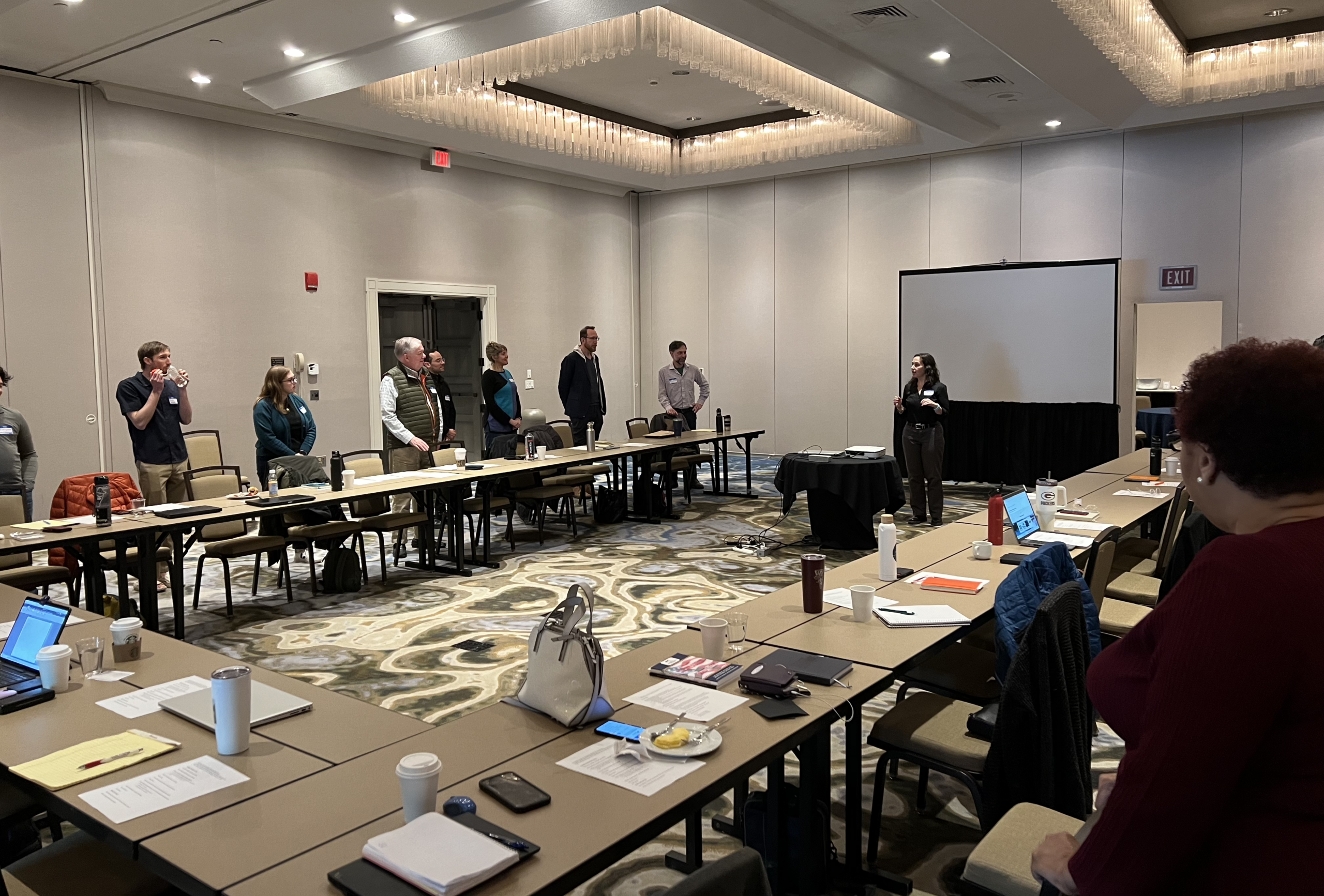
Ms. Cioffi participated in the 9-month NETI Fellowship program that kicked off in February 2025, joining a diverse group of business experts from across the Northeast who sought to expand their knowledge of exit planning and employee ownership. The NETI Fellowship’s Cohort 2 graduated in the fall of 2025, and Cohort 3 will kick-off this February.
During the program, fellows learned the basics of the exit planning, conducted surveys to understand business-owner demographics in their local communities, learned about employee ownership models and the steps and process to transition existing companies, and more.
Today, we asked each of our graduating fellows four questions to understand the unique needs of their communities and the learnings they plan to bring back and implement. Read on to find out what they said.
Q1: What kind of issues does your community face that you believe employee ownership can help to solve?
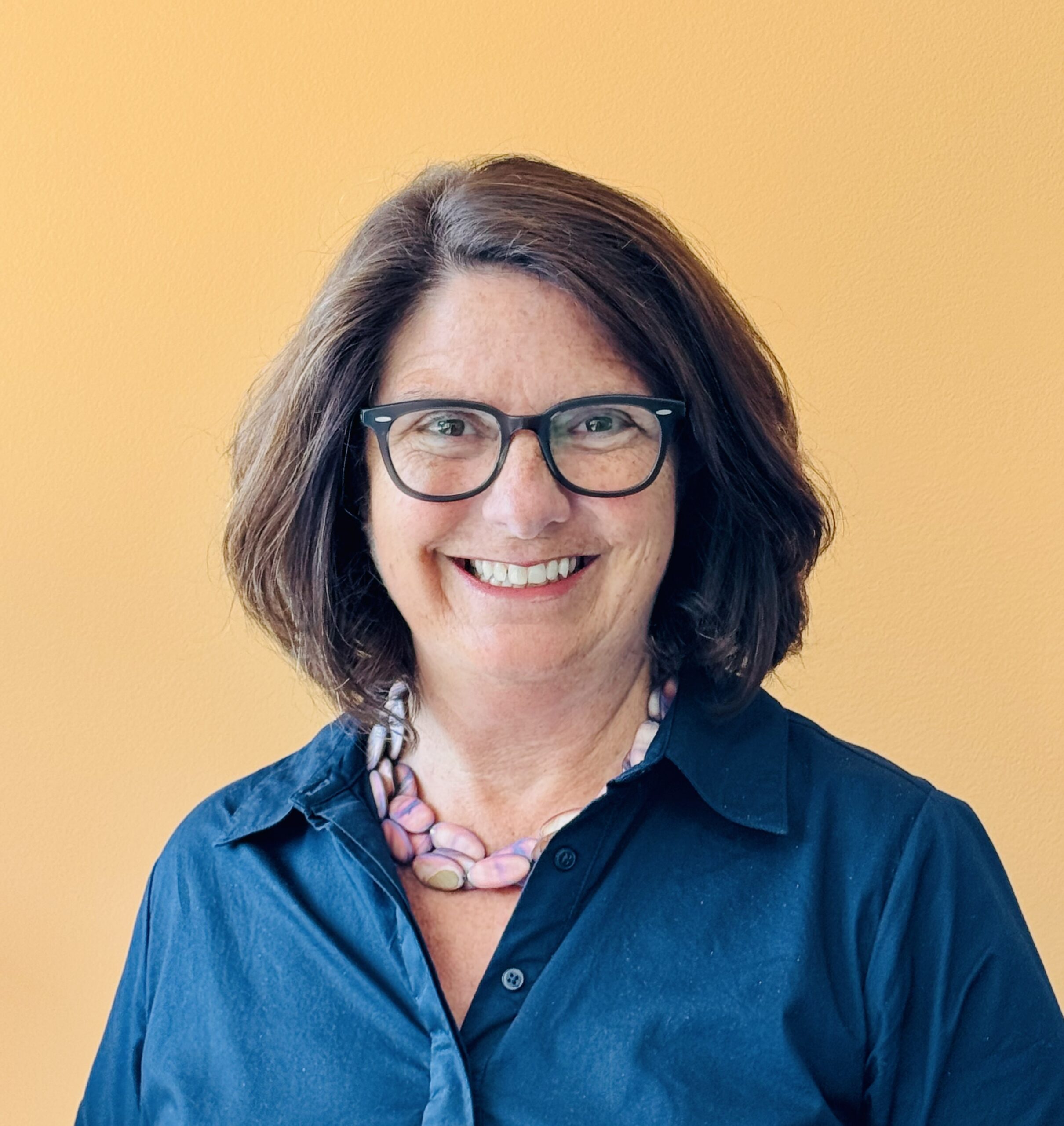
Tricia Murray
Director of Communications at the Community Development Partnership
Tricia Murray: Cape Cod and the Islands have an average age of 55, as compared to Massachusetts, which has a median age of 39. There are many business owners who are approaching an age where they are considering selling or closing the business.
We have seen a lot of national businesses coming in and purchasing inns and other hospitality businesses. Other businesses are unable to find a buyer and simply close. Both these outcomes are less than ideal.
It’s established that national businesses tend to be less generous in supporting community endeavors than community-owned businesses. In addition, some of the charm and what makes these businesses unique is lost when a national business comes in. If a business closes, that impacts the local economy, staff, and the community.
Lisa Raiola
President and Founder of Hope & Main
Lisa Raiola: Our community faces persistent challenges around economic mobility, wealth inequality, and the fragility of small businesses.
Many food entrepreneurs and micro-businesses struggle with limited access to capital, unstable employment, and the inability to build long-term security. Employee ownership offers a pathway to stabilize these enterprises, distribute wealth more equitably, and ensure that the people who create value in our local food economy also share in its rewards.
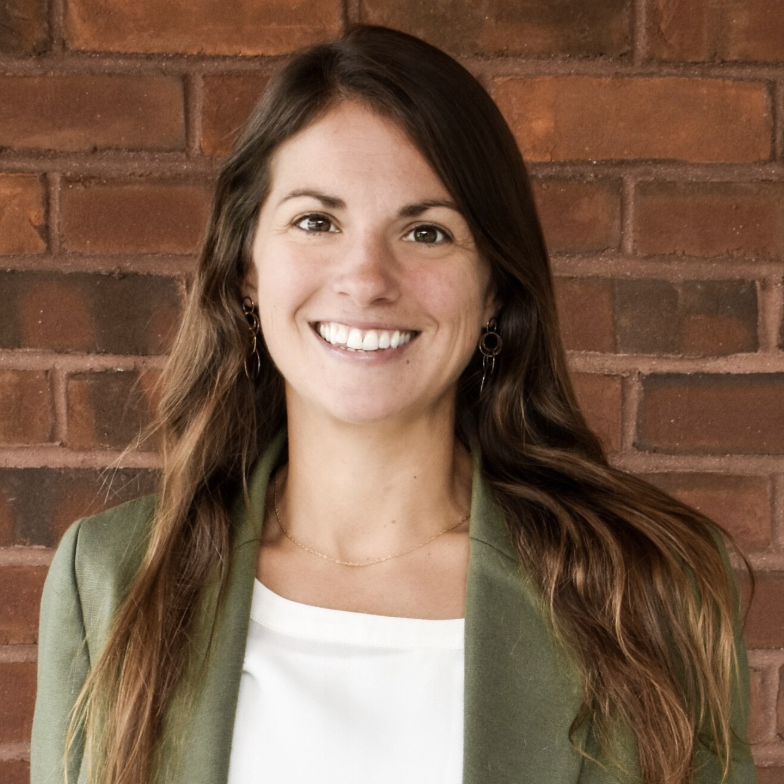
Karin Cioffi
Executive Director of Vermont Specialty Food Association
Karin Cioffi: Within the Vermont Specialty Food Association, we see business owners who care deeply about their business, product and community.
Providing more knowledge and resources around employee ownership would help them see that it is a viable option that can ensure the legacy of the business they have built.
Many specialty food and beverage producers think that starting, growing, and having their business acquired by a large company is not only the desired path but the one that is most available. Showing them that there are other viable options like employee ownership would ensure that the businesses don’t dissolve when they are unable to find a business to purchase them. Employee ownership would also ensure that the business remains in Vermont and is run by people within our communities, thus helping the state’s economy.
Q2: What did you learn about employee ownership and exit planning that you didn’t know before you participated in the NETI Fellowship Program?
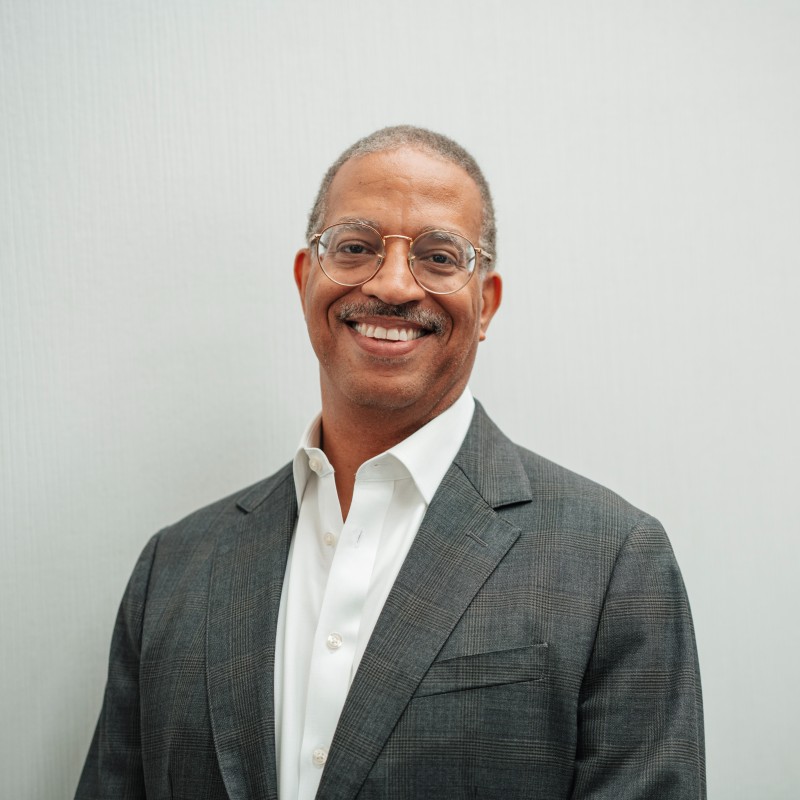
John Allen
President of Allen Business Advisors.
John Allen: The most surprising insight was the viability of worker cooperatives. I previously viewed them as niche or only useful in very small organizations. NETI changed that.
With the right structure, financing, and support, co-ops can be a realistic and effective exit strategy.
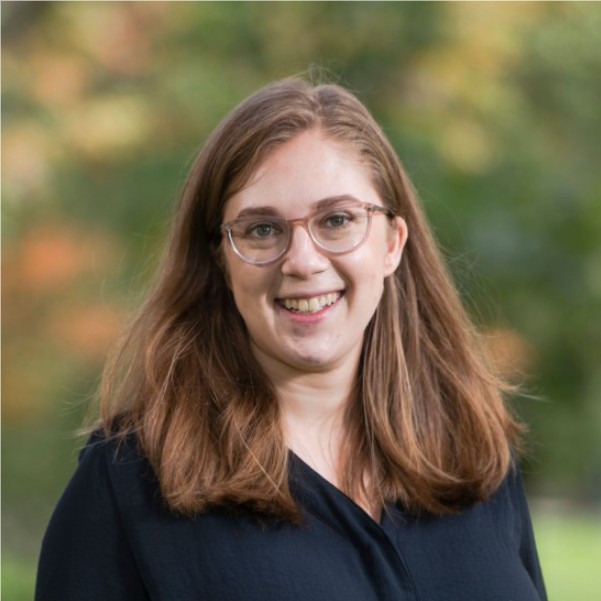
Sarah Jane Huber
Associate Economic Development Specialist at the City of Cambridge.
Sarah Jane Huber: I learned more about ESOPs (employee stock ownership plans) and cooperatives, and why one might be a better fit for a business than another.
A cooperative is a flexible structure that can serve all kinds of workers and businesses. The daily operations of a business can mostly stay the same after transitioning to a cooperative, if that’s what a business wants.
Christina Dodge
Certified Business Advisor at the Maine Small Business Development Center.
Christina Dodge: I learned how to better discuss both exit planning and employee ownership with clients and developed contacts throughout our ecosystem to support this.
Q3: What do you see yourself and/or your organization doing in the next five years with the information and tools that you gained through the fellowship?
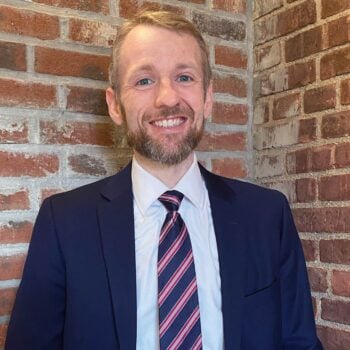
Kevin Pink
Deputy Director of Economic Development at 1Berkshire
Kevin Pink: 1Berkshire is planning to continue to advance our work in raising awareness of the importance of succession planning, including the concept of employee ownership.
My supervisor (Dr. Ben Lamb) and I have both completed the NETI Fellowship, and that positions us well to assist business owners in our area with succession planning and connections to resources to help them explore employee ownership.

Anthony Toscano
Small Business Solutions and Transitions Manager at Brattleboro Development Credit Corporation.
Anthony Toscano: To me, the most important thing my organization can do is increase awareness of transition options to employees and more importantly, to owners looking to transition out of their businesses in the coming years.
We are working on a panel of former owners who have sold to an employee cooperative to visit the communities we work with in order to have open dialogue with other owners about the transition experience.
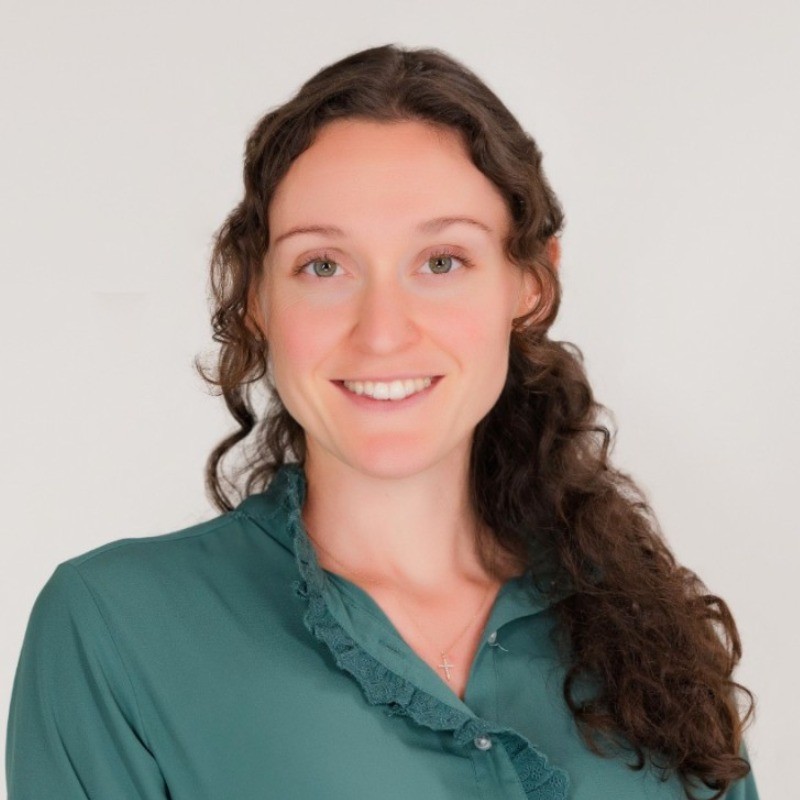
Bryana Malloy
Manager of Industry Relations at MassHire Berkshire Workforce Board.
Bryana Malloy: Over the next five years I hope that we can continue to partner with our local economic development agencies to strengthen the exit planning and employee ownership ecosystem.
Q4: If you could promote one call to action to move stakeholders including policymakers, your peers, governments, (and any others), what action would you want these stakeholders to take?
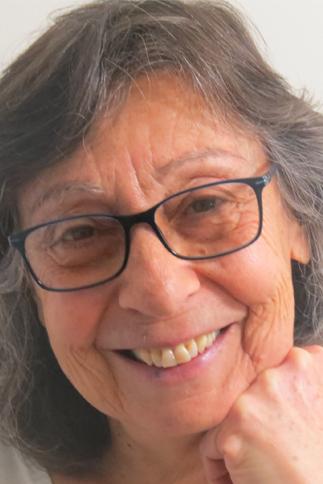
Delia Marx
Cofounder of Westchester Cooperative Network.
Delia Marx: WCN is coordinating with the Westchester County Department of Economic Development to organize events for the local businesses that will provide the education and information about transitioning to worker ownership.
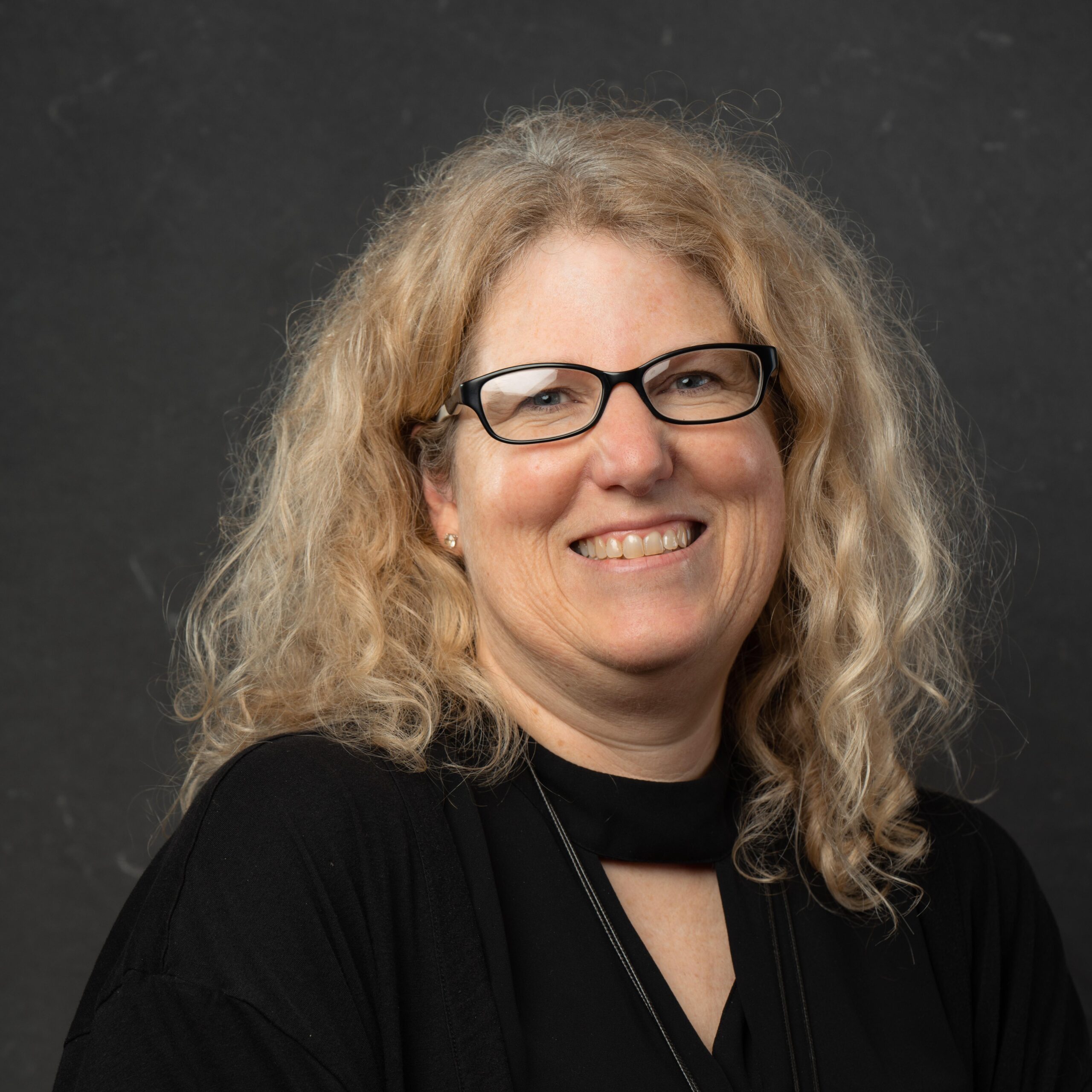
Pam Andersen
Director of Business & Credit Programs at Community Development Partnership.
Pam Andersen: We want policy makers to know how much we lose when long term businesses close, leave our community or sell to organizations that do not have community involvement and how we as a community can take actions to help keep businesses here.
John Allen
President of Allen Business Advisors.
John Allen: Stakeholders need to understand the magnitude of the Silver Tsunami. Out of 12 million U.S. businesses, baby boomers own 41%. Only 20% of listed companies sell, and only about 15% of owners have an exit plan.
Without action, communities will lose jobs, tax revenue, and local institutions. A practical, scalable solution is to promote—and, in some cases, incentivize—employee ownership as a primary succession pathway.